
Dental Implants
Restoring Smiles in Complex Cases
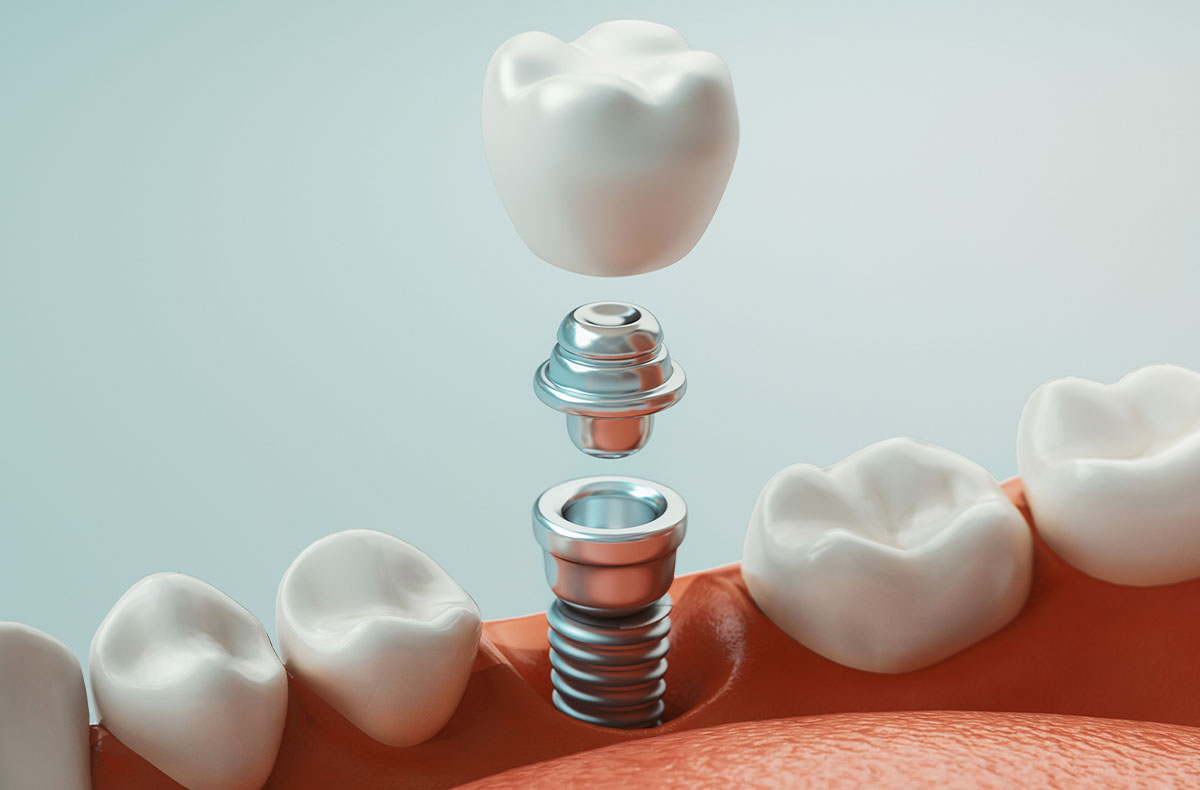
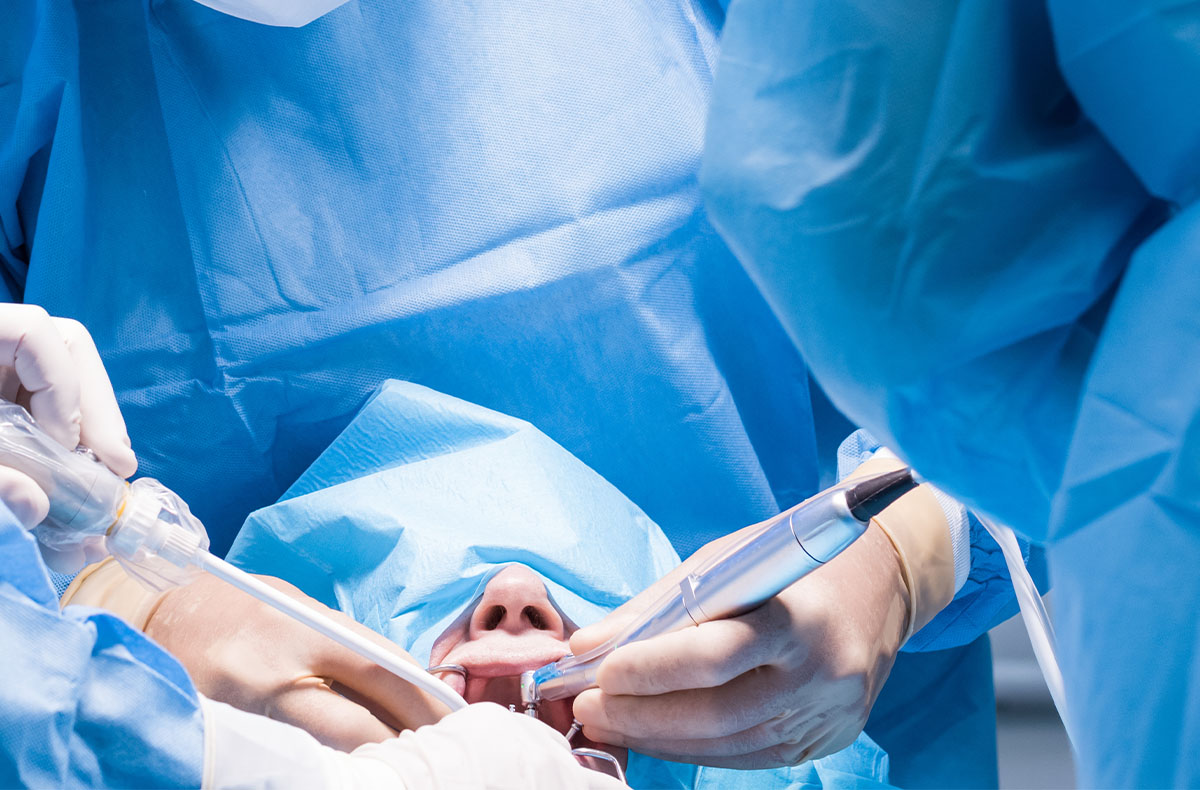
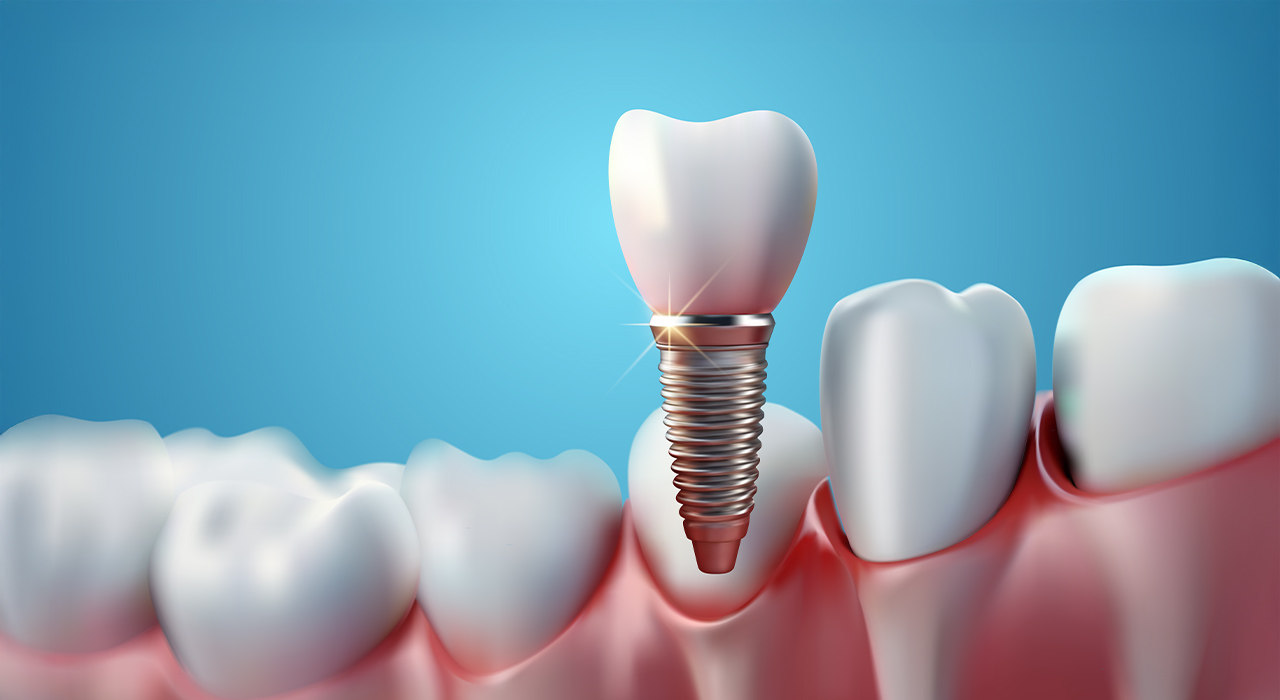
For patients with significant bone loss, traditional dental implants may not be a viable option. However, modern dentistry offers a beacon of hope through Advanced Implant Surgery. This specialized field provides innovative solutions, allowing for fixed, functional, and aesthetic smiles even in the most challenging clinical situations.
Advanced Treatment Modalities
Advanced implant surgery involves a range of sophisticated techniques tailored to the patient's unique anatomical needs. Here are the cornerstone procedures:
Zygomatic Implants
What it addresses: Designed for patients with severe bone loss in the upper jaw who are not candidates for or wish to avoid bone grafting procedures.
How it works: Unlike standard implants anchored in the jawbone, zygomatic implants are much longer and anchor directly into the cheekbone (zygoma). This dense and stable bone provides immediate support without the need for extensive bone grafts.
Key Advantages: Eliminates the need for bone grafting, significantly reduces treatment time, and often allows for immediate loading of a temporary fixed prosthesis on the same day.
All-on-4® and All-on-6® Protocols
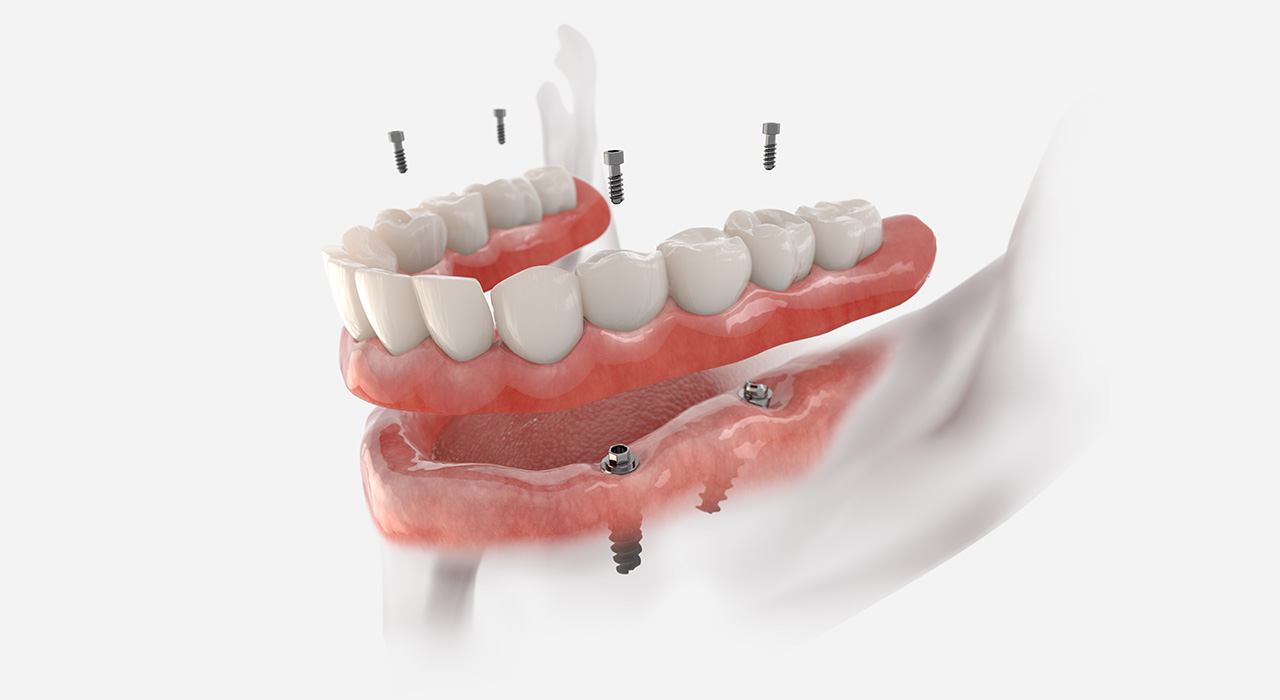
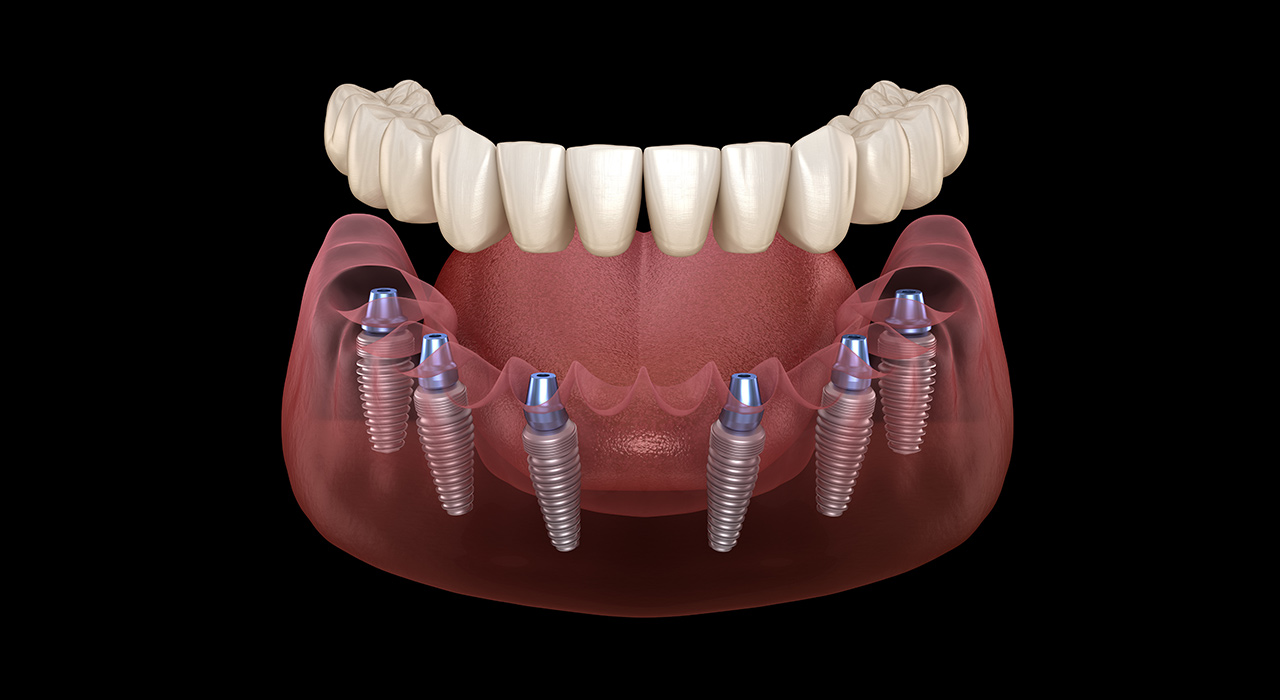
What it addresses: The ideal solution for fully edentulous (toothless) upper or lower jaws or for those who need to replace all of their teeth in an arch.
How it works: In the All-on-4® technique, four implants are placed strategically; the All-on-6® protocol uses six. The posterior implants are often placed at an angle to bypass critical anatomical structures like the sinuses and nerves, maximizing support and avoiding the need for bone augmentation.
Key Advantages: Requires fewer implants than traditional methods, reducing cost and surgery time. It often eliminates the need for bone grafts and allows patients to leave with a temporary set of fixed teeth on the same day as surgery.
Sinus Lift Surgery (Sinus Augmentation)
What it addresses: This procedure is necessary when there is insufficient bone height in the upper jaw, specifically in the premolar and molar areas, often due to sinus pneumatization (enlargement) after tooth loss.
How it works: The sinus membrane is carefully lifted upward, and bone graft material is placed beneath it. This creates a foundation for new bone formation, providing adequate volume for implant placement.
Approaches:
· Lateral Window Technique: Used for cases with more significant bone loss.
· Crestal Approach (Osteotomy Technique): A minimally invasive method, preferred when a minimum of 5-6 mm of bone height remains. It offers reduced trauma, a lower risk of membrane perforation, and faster recovery.
Bone Grafting (Bone Augmentation)
What it addresses: Used whenever the width or density of the jawbone is inadequate to support an implant securely.
How it works: Grafting materials, which can be sourced from the patient (autograft), a donor (allograft), or synthetic sources (xenograft/alloplastic), are added to the existing bone. This builds a solid foundation, ensuring long-term implant stability and success.
Technology Enhancing Precision and Success
In 2025, the success of advanced implant surgery is powered by cutting-edge technology:
3D Printing & Custom Guides: Using 3D images from CBCT scans, surgical guides are printed to ensure the implants are placed with pinpoint accuracy, minimizing risk and improving outcomes.
Computer-Guided Surgery: Virtual planning on 3D tomographic images allows the surgeon to pre-plan the entire procedure, enhancing safety, predictability, and efficiency.
Bioactive Implant Surfaces: Advanced surface treatments on implants accelerate bone integration (osseointegration) and promote faster healing.
Piezoelectric Surgery: This technology uses ultrasonic vibrations to cut bone with extreme precision while sparing soft tissues, making procedures like sinus lifts and nerve repositioning safer.
Which Treatment is Right For You?
Treatment Method Ideal Candidate Profile
Zygomatic Implant Patients with severe maxillary (upper jaw) bone resorption; unsuitable for or wishing to avoid bone graft surgery.
All-on-4 / All-on-6 Patients who have lost, or are about to lose, all teeth in an arch; desire a fixed prosthesis and a rapid result.
Sinus Lift Patients lacking sufficient bone height for implants in the upper back jaw due to enlarged sinuses.
Bone Grafting Any case where jawbone volume is insufficient in width or density to support a dental implant.
The Bridge 334 Queenstown Street SW11 8NP LONDON UK
Medicrama International Health Tourism
HAPPY PATIENTS
EXPERT DOCTORS
MODERN EQUIPMENT
PARTNER CLINICS