

Advanced Implant Surgery:
Introduction to Advanced Implant Surgery
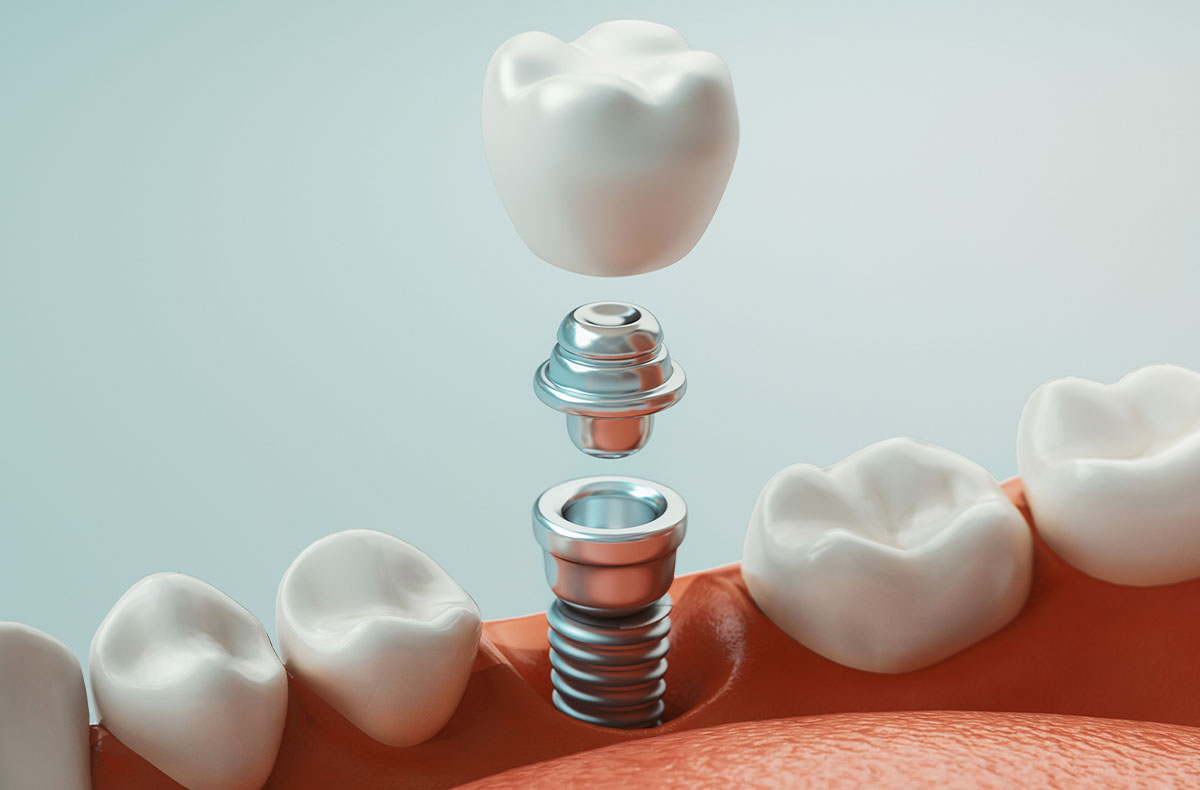
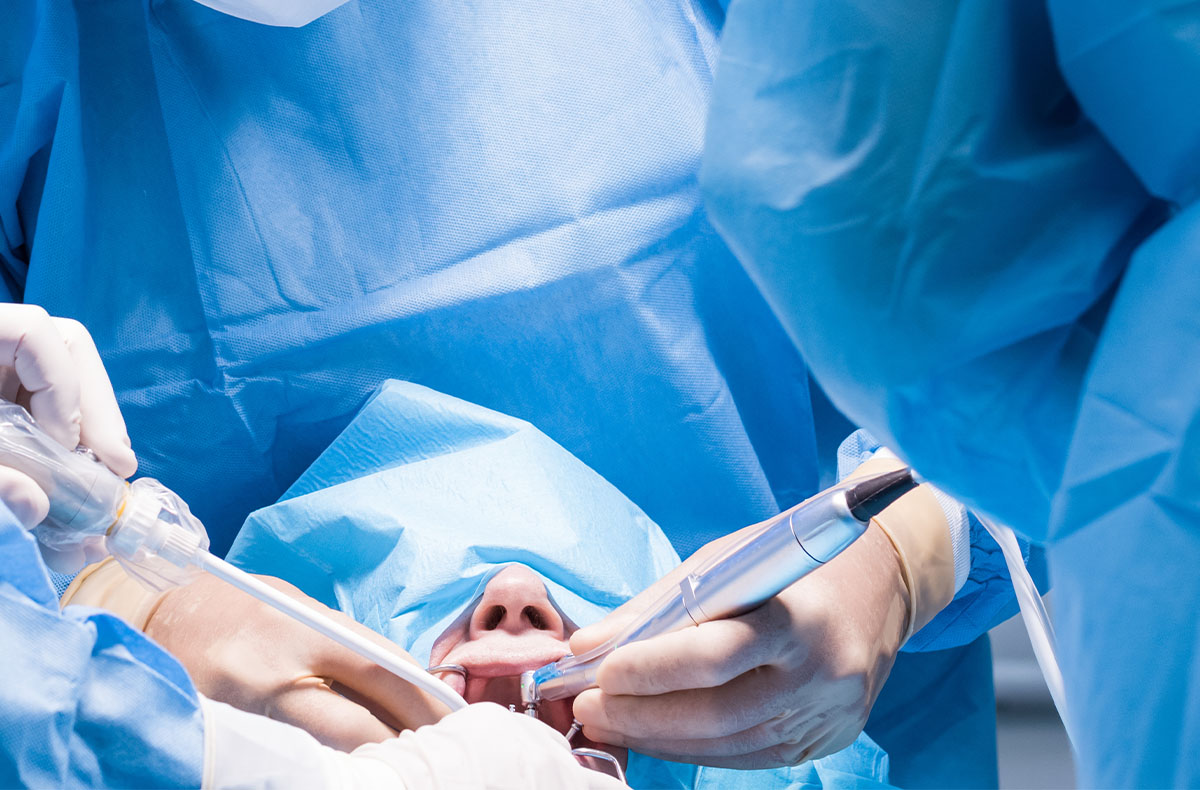
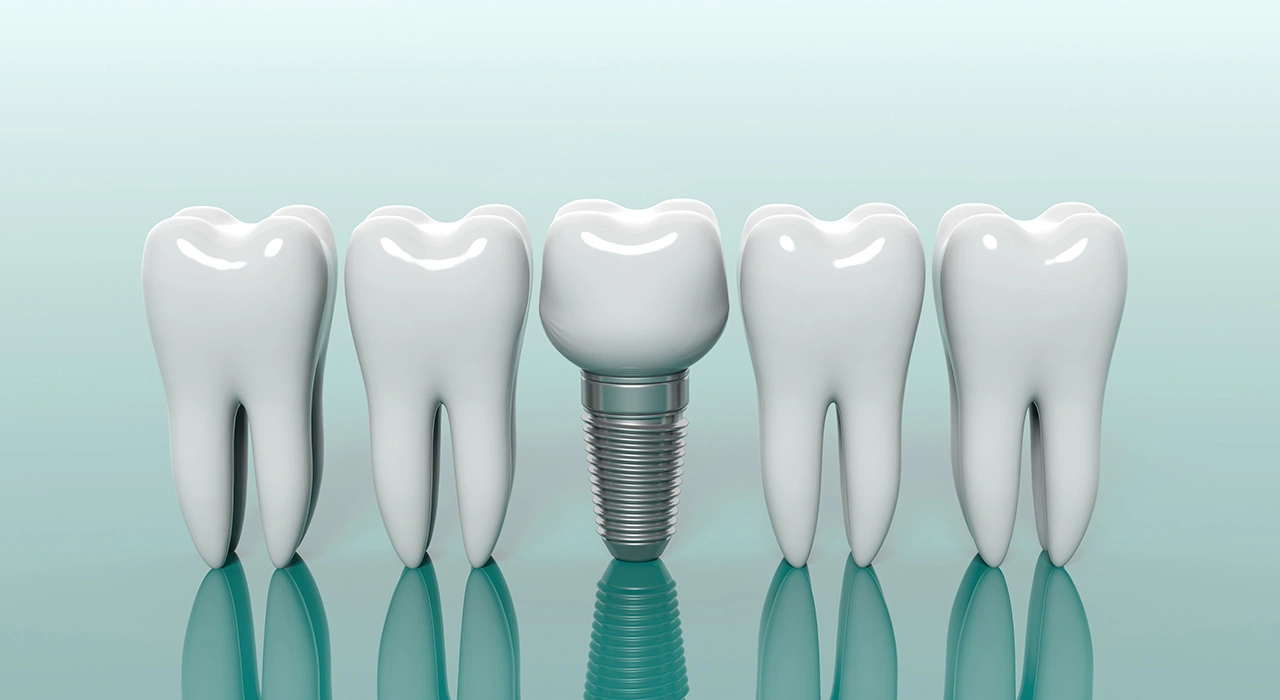
Advanced implant surgery encompasses a range of sophisticated techniques designed to address complex dental cases where conventional implants may not suffice. These methods are essential for patients with significant bone loss, anatomical limitations, or the need for immediate restoration.
Maxillary Sinus Lift Techniques
The maxillary sinus lift, also known as sinus augmentation, is a surgical procedure aimed at increasing the amount of bone in the posterior maxilla to support dental implants. Two primary approaches are utilized:
Lateral Window Technique: This involves creating a small window in the lateral wall of the sinus. The sinus membrane is carefully elevated, and bone graft material is placed to create a suitable implant site.
Transcrestal (Osteotome) Technique: A less invasive method where the sinus floor is lifted via the alveolar ridge, allowing simultaneous implant placement in some cases.
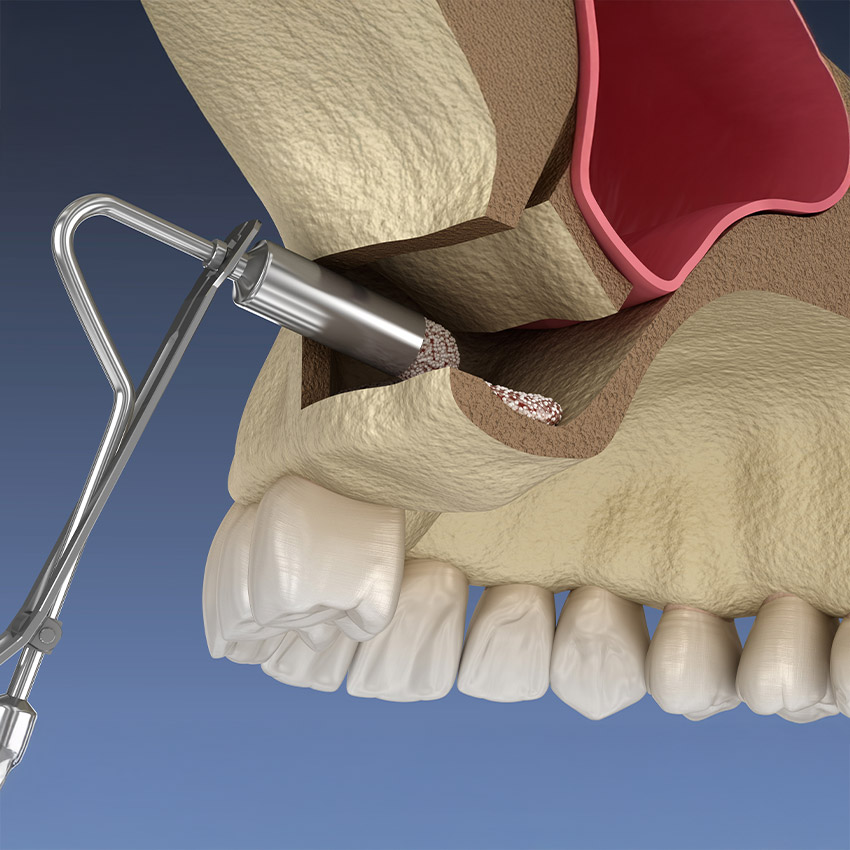
Materials used for bone grafting include autogenous bone (harvested from the patient), allografts, xenografts, and synthetic substitutes. Proper case selection, careful surgical planning, and membrane integrity are critical for success.
All-on-4 Implant Technique
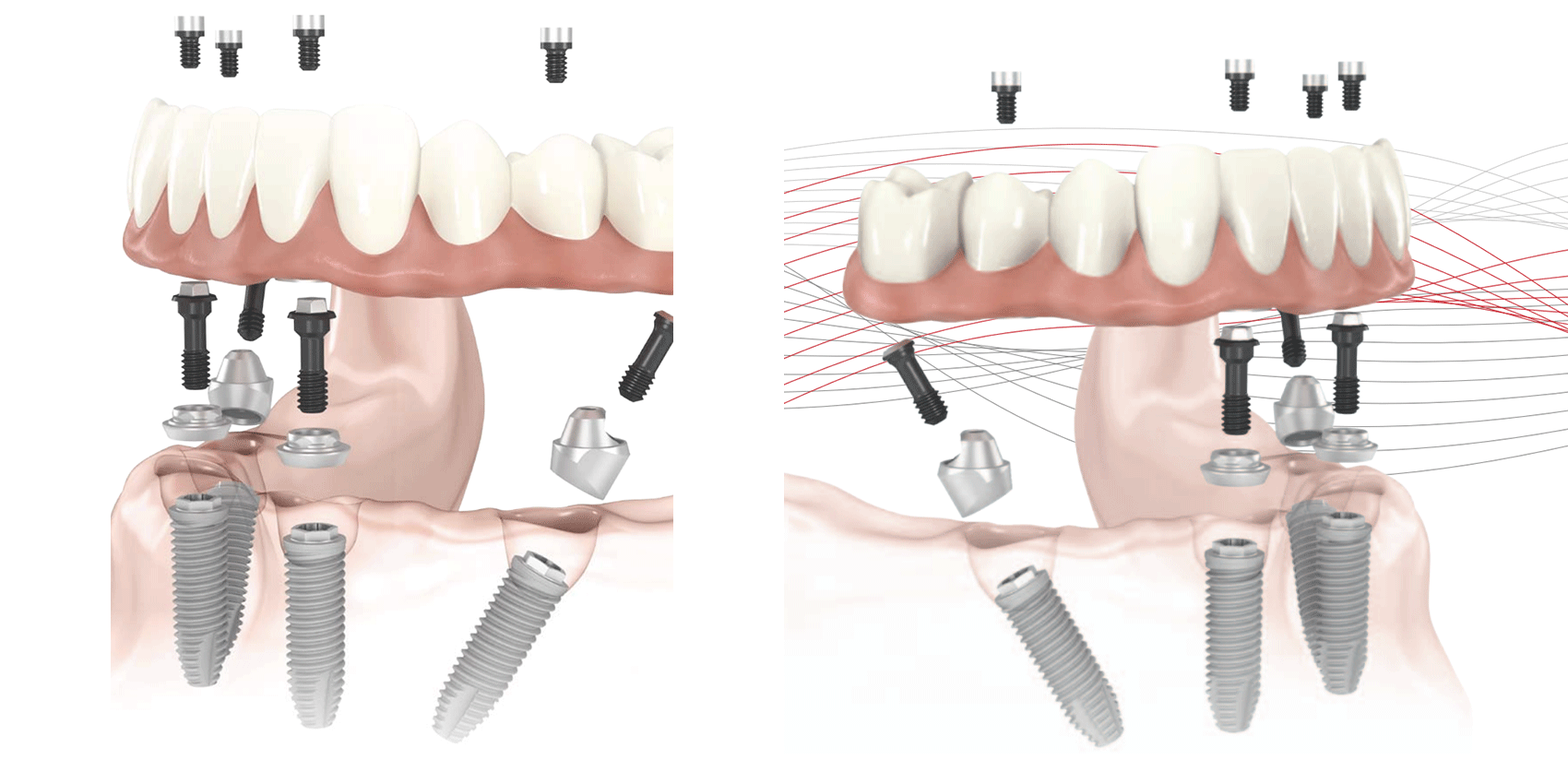
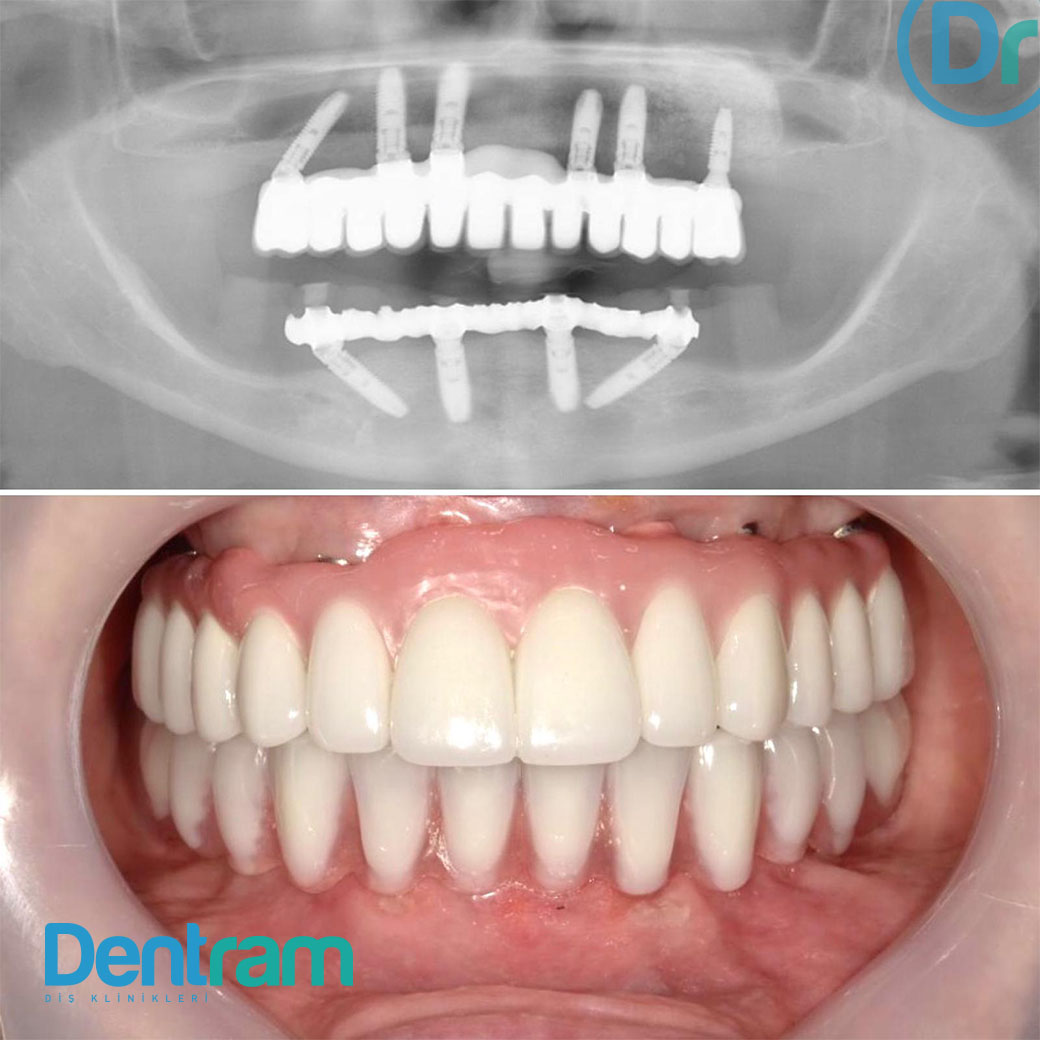
The All-on-4 technique provides a full-arch rehabilitation using only four strategically placed implants.
Two anterior implants are inserted vertically, while the two posterior implants are placed at an angle to maximize bone contact and avoid anatomical structures.
This approach often eliminates the need for bone grafting and allows immediate loading of a fixed prosthesis.
Benefits include reduced treatment time, lower cost, and high patient satisfaction.
Zygomatic Implants
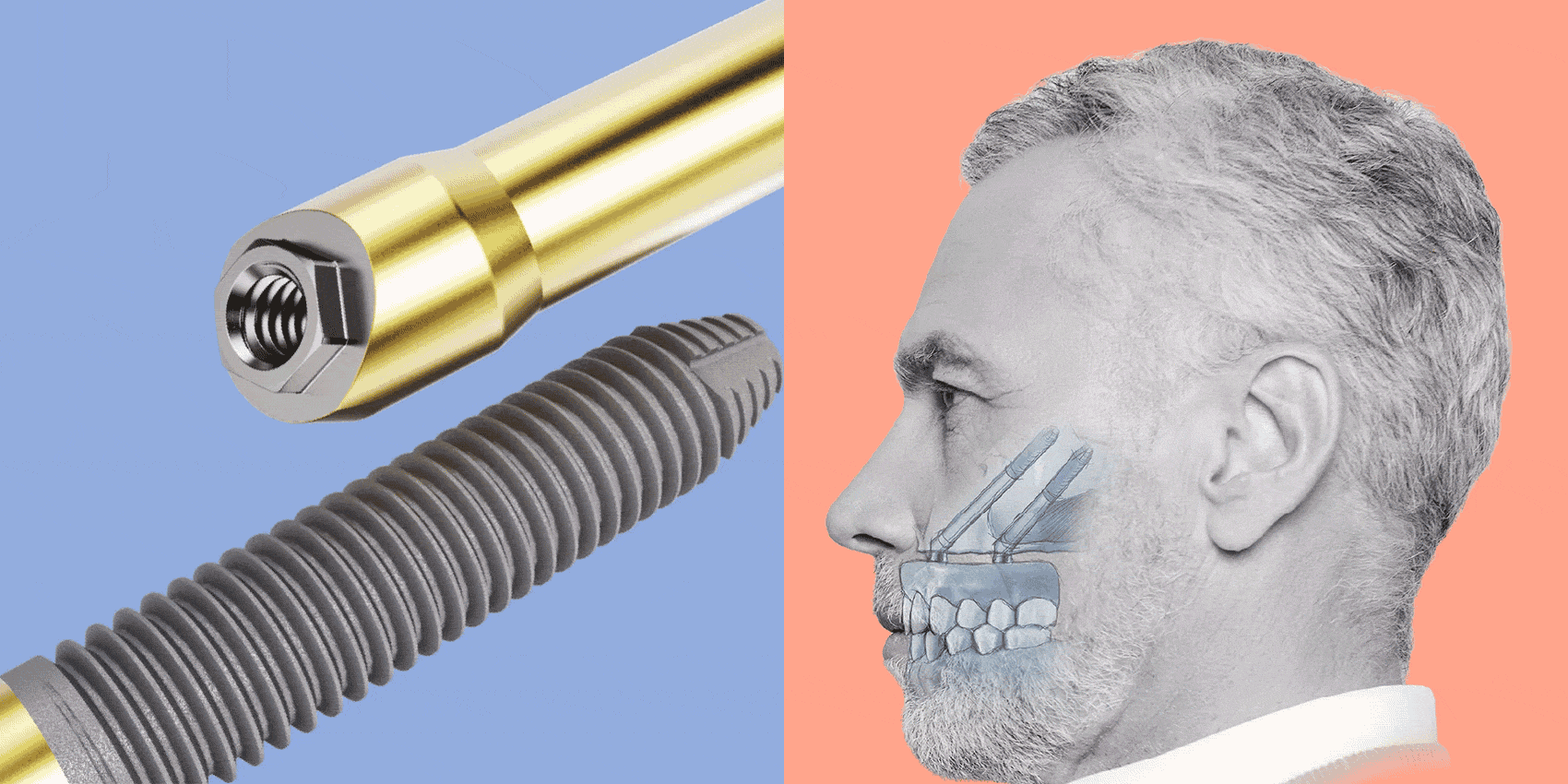
Zygomatic implants are extra-long fixtures anchored in the zygomatic bone, providing stable support for prosthetic rehabilitation in patients with severe maxillary atrophy.
These implants bypass the need for bone grafts, offering a predictable solution for cases of extensive bone loss.
Placement requires advanced surgical expertise and thorough preoperative imaging to assess anatomical variations.
Bone Augmentation Techniques
Bone augmentation, or bone grafting, is often necessary to restore adequate bone volume for implant placement. Common techniques include:
Guided Bone Regeneration (GBR): Utilizes barrier membranes to protect graft material and promote bone growth.
Block Grafts: Involves harvesting bone blocks from intraoral or extraoral donor sites.
Ridge Split or Expansion: Expands narrow alveolar ridges to accommodate implants.
Distraction Osteogenesis: Gradual mechanical separation of bone segments to induce new bone formation.
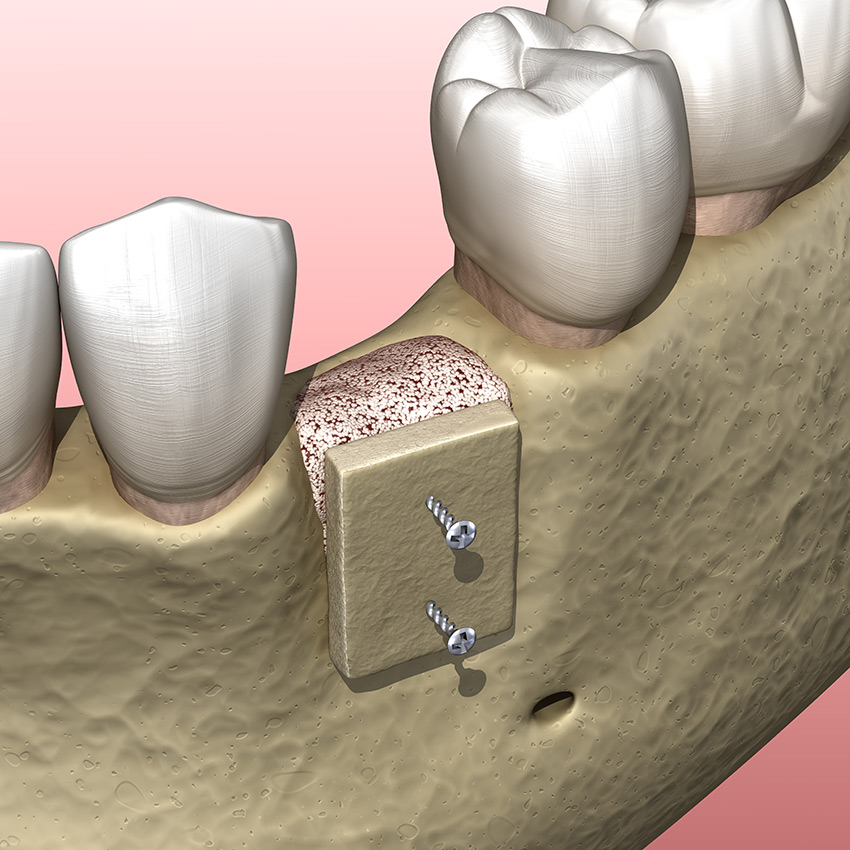
The choice of technique depends on the defect size, location, and patient-specific factors. Success relies on proper graft stabilization, vascular supply, and postoperative care.
Clinical Considerations and Patient Care
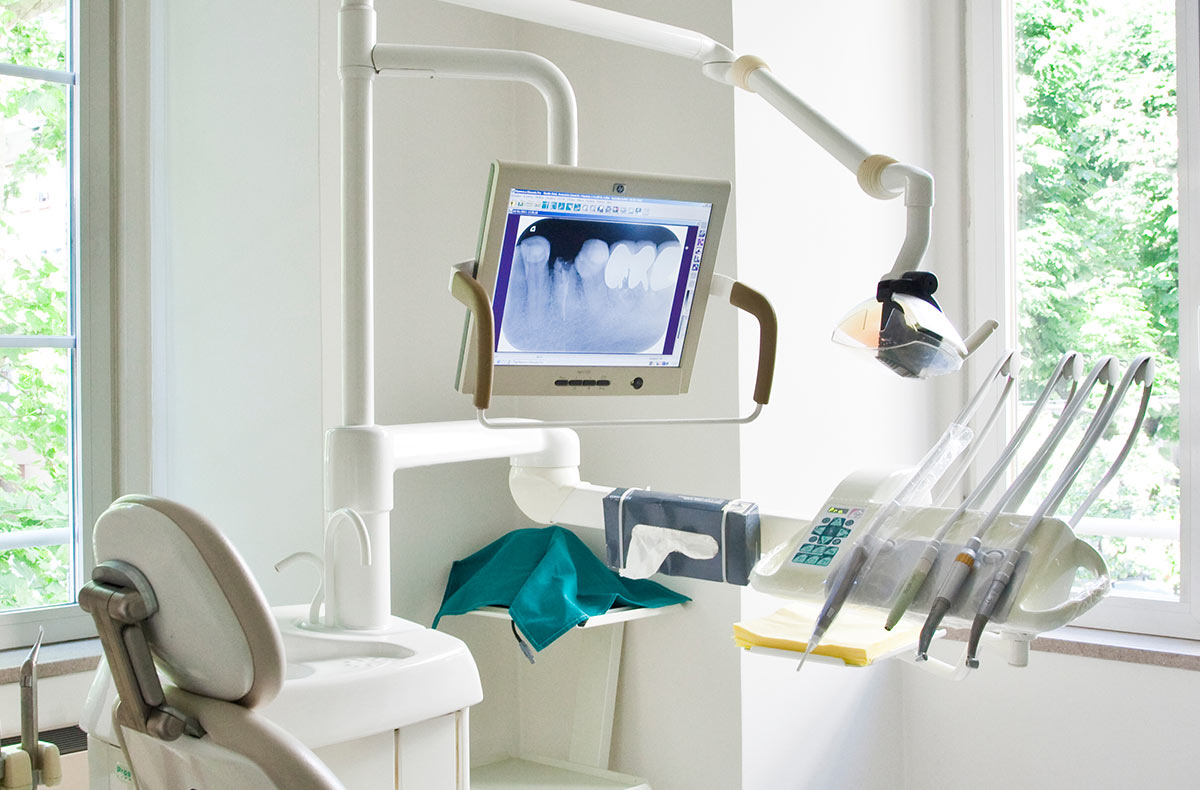
Advanced implant procedures require meticulous planning, including three-dimensional imaging (CBCT), digital surgical guides, and interdisciplinary collaboration. Preoperative assessment of systemic health, oral hygiene, and occlusal dynamics is essential. Postoperative care includes antibiotic prophylaxis, careful suture management, and long-term maintenance to ensure implant longevity.
Advanced implant surgery offers transformative solutions for patients with challenging oral conditions. By combining innovative surgical techniques with modern biomaterials, clinicians can achieve predictable, long-lasting outcomes that restore both function and esthetics.

The Bridge 334 Queenstown Street SW11 8NP LONDON UK
Medicrama International Health Tourism
HAPPY PATIENTS
EXPERT DOCTORS
MODERN EQUIPMENT
PARTNER CLINICS