
Aesthetic Dentistry
Smile Design and Modern Restorative Solutions
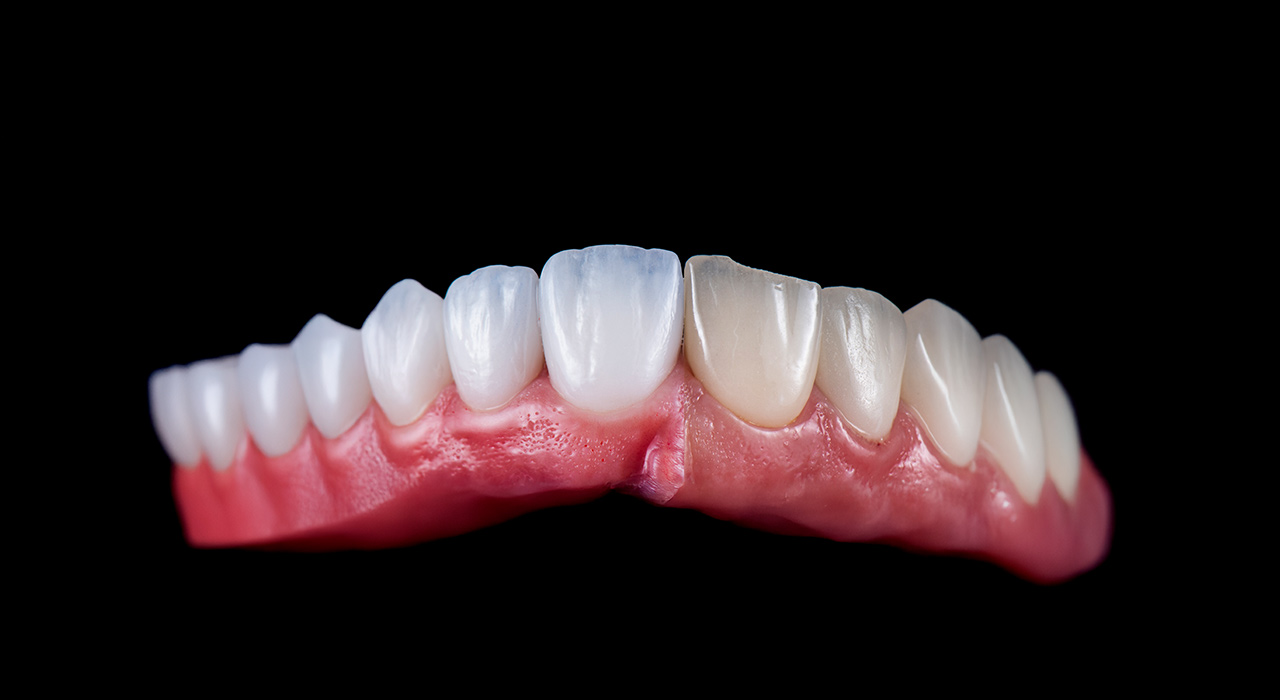
Aesthetic dentistry is not just about treating cavities or replacing missing teeth; it aims to reveal the best version of a person's natural smile, achieving a flawless appearance in terms of colour, form, and harmony.
Today, a range of advanced materials and techniques are used to reach this goal.
Here are the most popular and effective methods:
1. Zirconium Porcelain Crowns (Zirconia)
What is it?
A type of crown (cap) made from zirconium oxide, featuring a metal-free, high-strength core structure layered with porcelain. It bridges the gap between aesthetic fillings and laminate veneers.
Characteristics and Advantages:
Durability: Much stronger and more durable than metal-supported porcelain crowns. An excellent choice even for back teeth (molars)
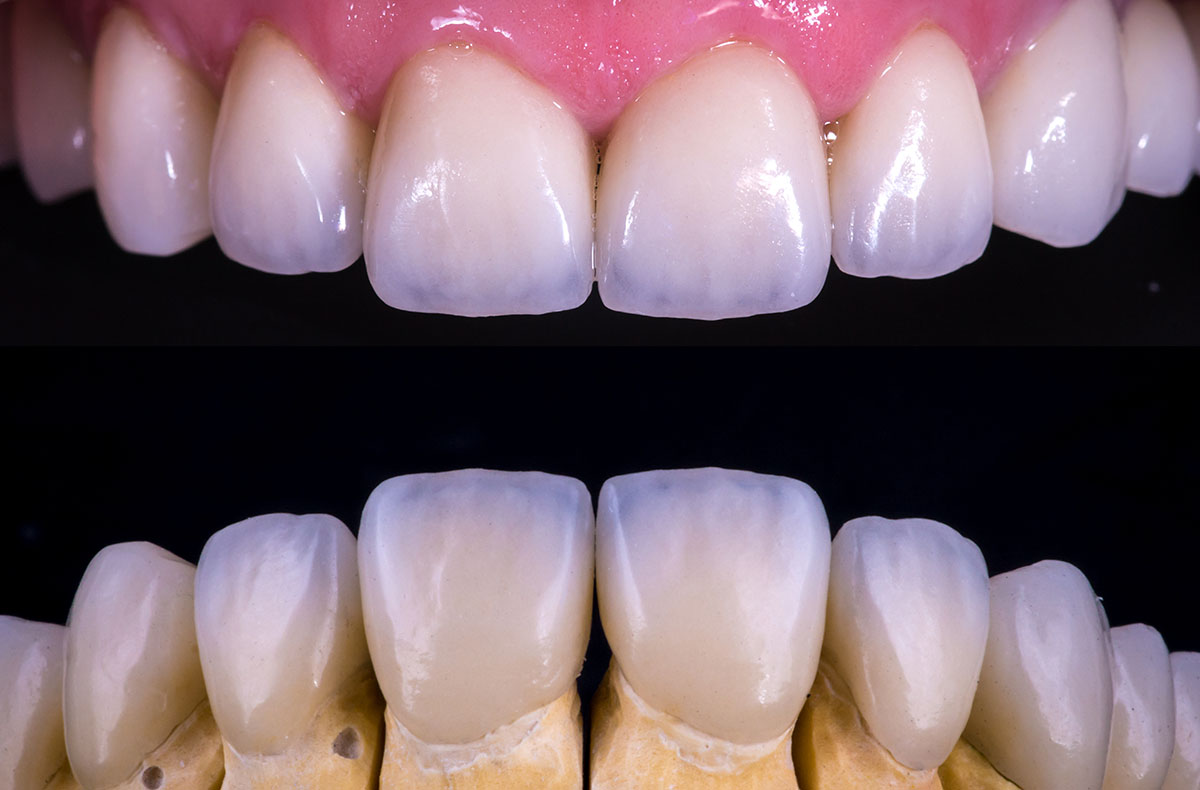
Light Transmission: It mimics natural tooth enamel by allowing light to pass through. This property adds depth and vitality, eliminating the dull and artificial appearance often seen with metal-based crowns.
Biocompatibility: It is a hypoallergenic material. It integrates excellently with oral tissues and carries an almost non-existent risk of allergy.
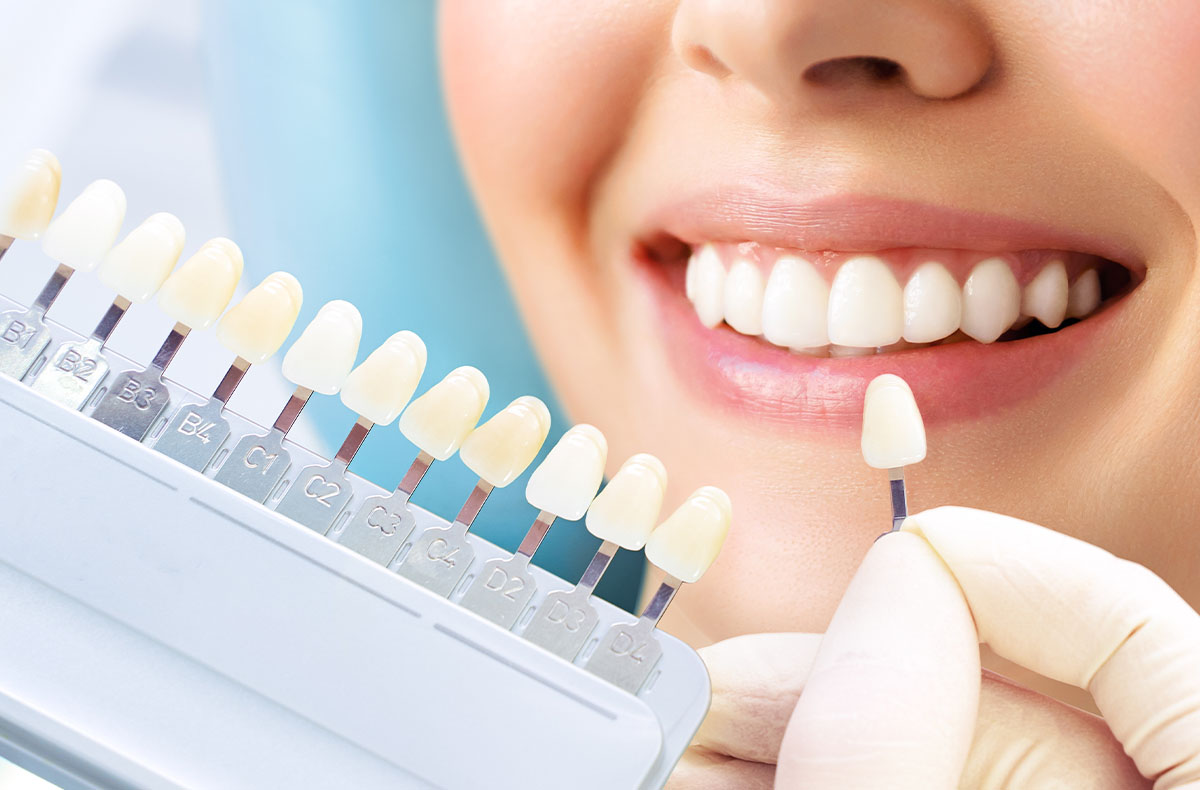
Aesthetics: Because its core is white, it does not create grey lines at the gum margin, even in cases of gum recession. It can achieve a perfect match with natural tooth colour.
Who is it Suitable For?
- Individuals with extensive tooth structure loss on a single tooth.
- Those wanting to protect teeth that have undergone root canal treatment.
- People seeking both aesthetics and durability in bridgework.
- Anyone looking for high aesthetics and function for both front and back teeth.
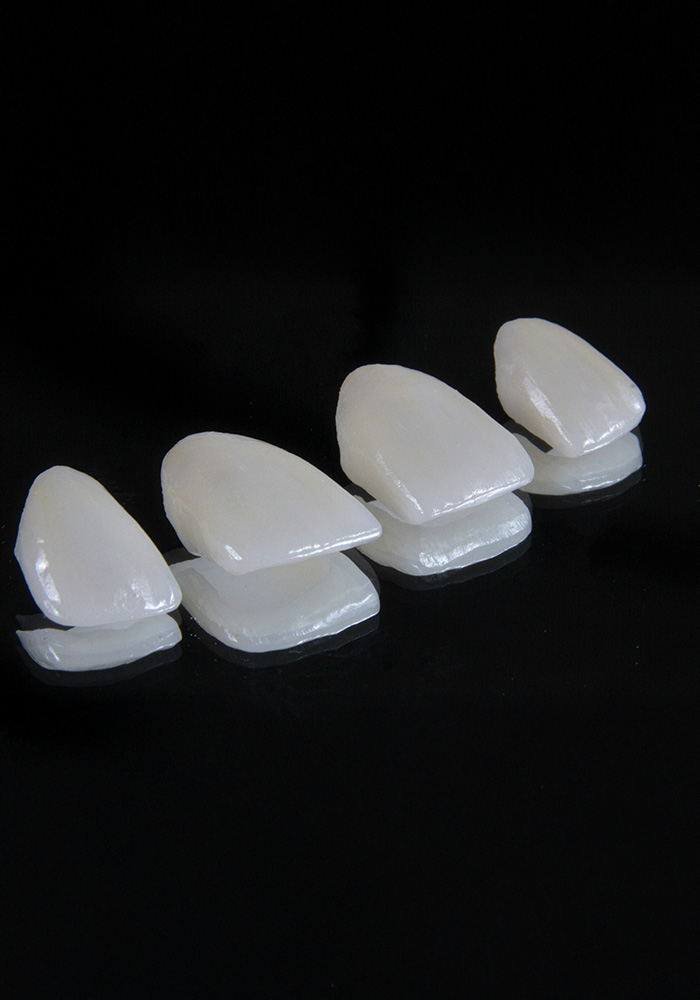
2. Laminate Veneers (Porcelain Veneers)
What is it?
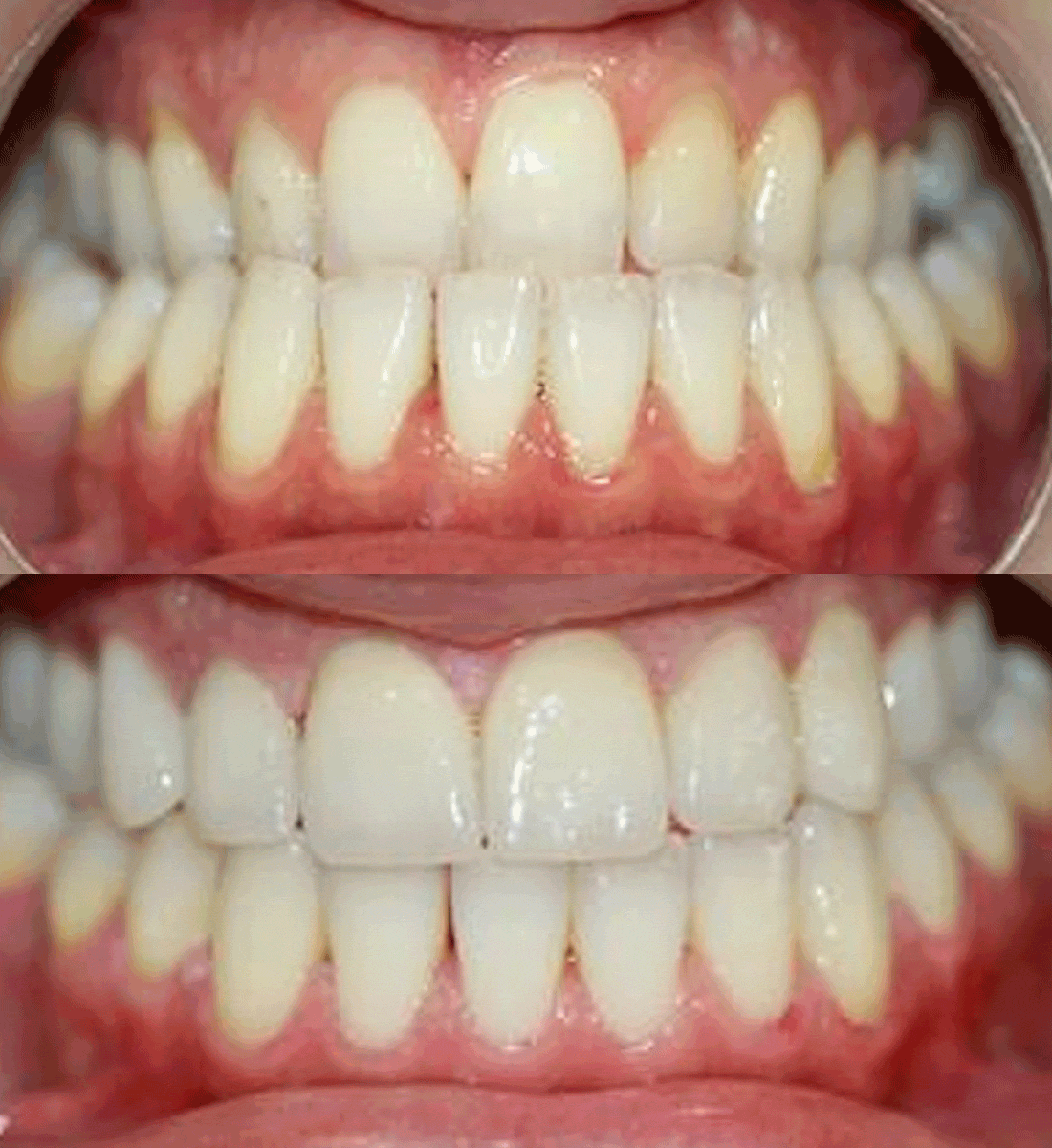
Ultra-thin (0.3 - 0.7 mm), custom-made porcelain shells that are bonded to the front surface of the teeth. They are a cornerstone of "Smile Design."
Characteristics and Advantages:
Minimally Invasive (Conservative) Treatment: Can often be applied with little to no removal of tooth enamel. This means the maximum amount of natural tooth structure is preserved.
Superior Colour and Form Correction: Effectively corrects tooth discolouration (fluorosis, tetracycline stains), gaps, chipped edges, and shape deformities.
Stain Resistance: The porcelain surface is smoother and less porous than natural tooth enamel, making it resistant to staining from tea, coffee, and tobacco.
Natural Appearance: Its light-transmitting properties make it nearly indistinguishable from natural teeth.


Who is it Suitable For?
- Those wanting to rejuvenate and brighten their smile.
- Individuals with tooth discolouration or shape imperfections.
- People with mildly crooked teeth who do not wish to undergo orthodontic treatment (braces).
3. E-max (Lithium Disilicate) Restorations
What is it?
Considered the "gold standard" in aesthetic dentistry, E-max is a type of lithium disilicate glass-ceramic known for its exceptional aesthetics and strength. It can be used for both laminate veneers and crowns.
Characteristics and Advantages:
Superior Aesthetics: Its light transmission (translucency) is the closest to natural tooth enamel. This results in an unrivalled sense of depth and vitality.
Exceptional Durability: Highly resistant to chewing forces. It can be confidently used for front veneers and back tooth crowns.
Thin Design: Its high strength allows it to be fabricated in very thin layers (less than 0.5 mm), enabling minimal tooth preparation.
Biocompatibility: Like Zirconium, E-max exhibits excellent biocompatibility with body tissues.
Quick Comparison
E-max vs Zirconium:
- Aesthetics: For front teeth, in terms of light reflection and natural appearance, E-max is often considered a step ahead of Zirconium.
- Durability: Both are very durable. Zirconium may have a slight edge in mechanical strength, particularly for bridgework and areas under high stress.
- Application: E-max is often preferred for single-tooth restorations (veneers, crowns, inlays/onlays), while Zirconium is widely used for both single crowns and bridges.
4. Porcelain Inlay and Onlay Fillings
(The Aesthetic and Robust Alternative)
What is it?
These are indirect fillings, fabricated in a dental laboratory, used to restore large cavities or replace old fillings.
- Inlay: Fits within the cusps (bumps) on the chewing surface of a tooth.
- Onlay: Covers one or more cusps of the tooth. It can be thought of as a "partial crown."
Characteristics and Advantages:
Tooth Preservation: They are much harder and more durable than composite (white) fillings. They protect the remaining tooth structure from chewing forces and help prevent tooth fracture.
Precise Fit and Seal: Being lab-made, they offer a perfect marginal fit. The risk of gap formation and secondary decay over time is significantly lower compared to composite fillings.
Aesthetic and Stable: Unlike composite fillings, they do not wear down, discolour, or stain over time.
Biological Compatibility: They are extremely gentle on the gums and promote periodontal health.
Who is it Suitable For?
- Individuals with teeth that require large fillings but lack sufficient structure for a full crown.
- Those who experience frequent breakage or dislodging of their composite fillings.
- Anyone seeking both durability and aesthetics for their back teeth.
How To Make The Right Choice?
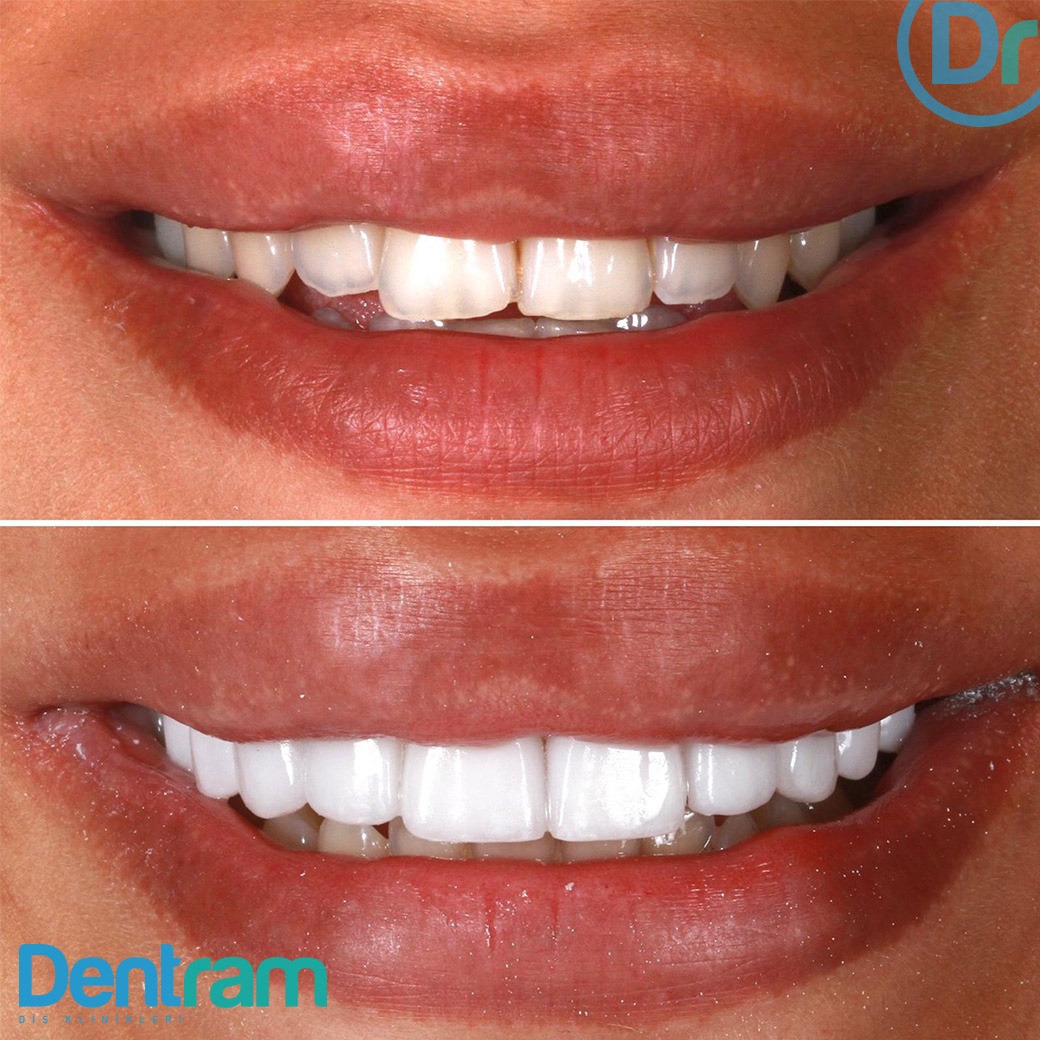
The decision on which treatment is best for you depends on several factors:
1. Location of the Tooth:
- Front Teeth (Aesthetic Priority): E-max Laminate Veneer, Zirconium Crown.
- Back Teeth (Durability Priority): Zirconium Crown, E-max Crown, Porcelain Inlay/Onlay.
2. Amount of Tooth Structure Loss:
- Minimal/No Loss (Shape/Colour Only): Laminate Veneer.
- Moderate Loss: Inlay/Onlay, Crown
- Extensive Loss: Crown (Zirconium or E-max).
3. Budget and Expectations: The cost and benefits of each method vary. Having an open discussion with your dentist about your expectations and budget will ensure you receive the most appropriate guidance.
The best treatment will be the one that is most suitable for your oral anatomy, needs, and expectations.
Making this complex decision after a detailed examination and consultation with a specialised dentist will yield the healthiest and most satisfying outcome.
The Bridge 334 Queenstown Street SW11 8NP LONDON UK
Medicrama International Health Tourism
HAPPY PATIENTS
EXPERT DOCTORS
MODERN EQUIPMENT
PARTNER CLINICS